
About Square Project
In recent years, Eurobarometer data have revealed an unprecedented level of trust in EU institutions, particularly in the European Parliament.
This trend is notable given the political turmoil and institutional tensions that might have been expected to weaken their legitimacy. Instead, public support has steadily evolved into a growing desire for a stronger and more influential European Parliament.
This shift reflects an increasing democratic maturity among EU citizens, alongside a renewed interest in representative institutions. These are increasingly seen not only as authentic expressions of the popular will, but also as potential channels for more participatory, bottom-up policymaking.
In this context, the European Union has a valuable opportunity to strengthen public consensus and reinforce its democratic credibility. However, this requires careful attention. In responding to global crises, there is a risk that EU decision-making becomes more centralized and top-down, limiting timely and meaningful citizen involvement.
As highlighted in a 2022 study by the European Parliament’s Directorate-General for Internal Policies, Towards a Permanent Citizens’ Participatory Mechanism in the EU, participatory opportunities across the EU do not yet offer equal access, information, or influence to all stakeholders. The study also points out that existing participatory channels are often disconnected from everyday decision-making processes. This disconnect between participation and representation remains one of the most complex and insufficiently addressed challenges facing modern democracies.
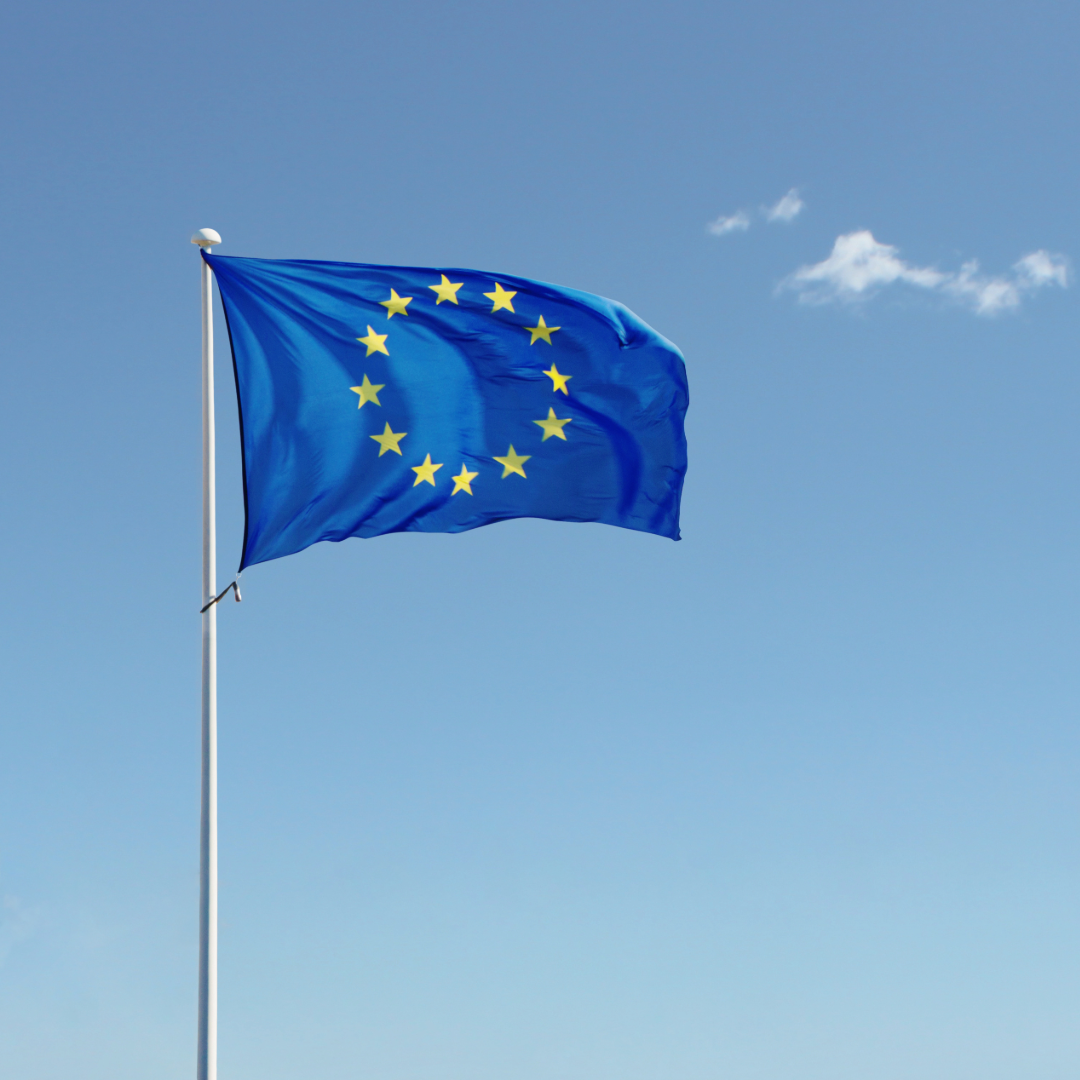
SQUARE – Sharing Questions and Uniting Answers for Resiliency throughout the EU – was developed in response to this challenge. The project aims to harness and amplify current civic momentum by promoting structured, inclusive, and locally rooted participation processes. Its goal is to bridge the gap between local communities and European institutions. At the heart of SQUARE is the belief that cities and local communities are not just implementers of EU policies, but key spaces for their co-creation.
This approach aligns with the European Commission’s Recommendation on promoting citizen and civil society participation in policymaking, part of the Defence of Democracy package, which encourages Member States to create enabling environments for civic engagement.
Hosted by active municipalities, these events will foster intergenerational and intercultural dialogue, actively involving groups that are often underrepresented, including young people, seniors, migrants, and women.
Participants will be empowered to develop shared visions and proposals, which will be consolidated and presented at a final event in Brussels. SQUARE directly contributes to the objectives of the CERV-2025-CITIZENS-CIV call, particularly its priority of promoting exchanges on future EU policy priorities and challenges. By encouraging informed dialogue and gathering citizens’ perspectives, the project seeks to deepen understanding of the Union’s key issues while strengthening democratic participation in areas that matter most to its people.